
Women and Heart Disease: Why Symptoms Often Go Unrecognized
Table of Contents
ToggleAn ultimate guide on ‘Women and Heart Disease: Why Symptoms Often Go Unrecognized’ – by Dr. Kuntal Bhattacharya, Senior Interventional Cardiologist, Narayana Health – RN Tagore Hospital, Kolkata
Heart disease is universally recognized as a leading cause of mortality, yet it is frequently, and tragically, misunderstood as predominantly a “man’s disease.” This misconception has profound consequences, leading to delayed diagnoses, under-treatment, and poorer outcomes for women globally. As a practicing senior cardiologist at Narayana Hospital RN Tagore Hospital, Kolkata, I see daily how the narrative around cardiovascular health disproportionately focuses on classic male symptoms. Women, however, experience cardiovascular events differently. Their symptoms are often subtle, diffuse, and easily mistaken for less severe conditions like indigestion, fatigue, or stress.
In this comprehensive guide, we will unravel the complexities of women’s heart health, explain why their symptoms often fly under the radar, and discuss the specific risk factors that make women vulnerable. We will also explore the advanced options available for Treatment for Heart Disease in Kolkata, providing actionable advice for patients and their families. It is time to change the narrative and empower women with the knowledge they need to protect their hearts.
The Biological Differences: Anatomy and Hormones
To understand why heart disease manifests differently in women, we must first look at the fundamental biological and anatomical differences between male and female cardiovascular systems. Females generally have smaller blood vessels and smaller heart chambers. The walls of their pumping chambers, the ventricles, are also typically thinner. Because females naturally have fewer red blood cells, their capacity to carry oxygen in the blood is slightly reduced compared to males.
These structural differences mean that when a blockage occurs, or when the heart muscle is under stress, the compensatory mechanisms and the resulting physical sensations differ from those experienced by men. Furthermore, cardiovascular adaptations, such as the body’s response to quickly standing up or changing altitude, affect women more pronouncedly, sometimes leading to sudden drops in blood pressure.
Hormones also play a massive role. Throughout a woman’s reproductive years, estrogen acts as a protective shield for the cardiovascular system, helping to keep blood vessels flexible and promoting healthy cholesterol levels. However, as women transition into menopause and estrogen levels plummet, this natural protection diminishes. This hormonal shift rapidly accelerates the risk of developing atherosclerosis (plaque buildup), high cholesterol, and blood clots, leveling the playing field between men and women in terms of heart disease risk as they age.
Recognizing the Atypical Symptoms of Heart Attacks in Women
The classic Hollywood depiction of a heart attack—a man clutching the center of his chest in agonizing, crushing pain—is deeply ingrained in our minds. While chest pain or discomfort is indeed the most common symptom for both men and women, women are significantly more likely to experience atypical, “silent,” or subtle symptoms that do not neatly fit this textbook description.
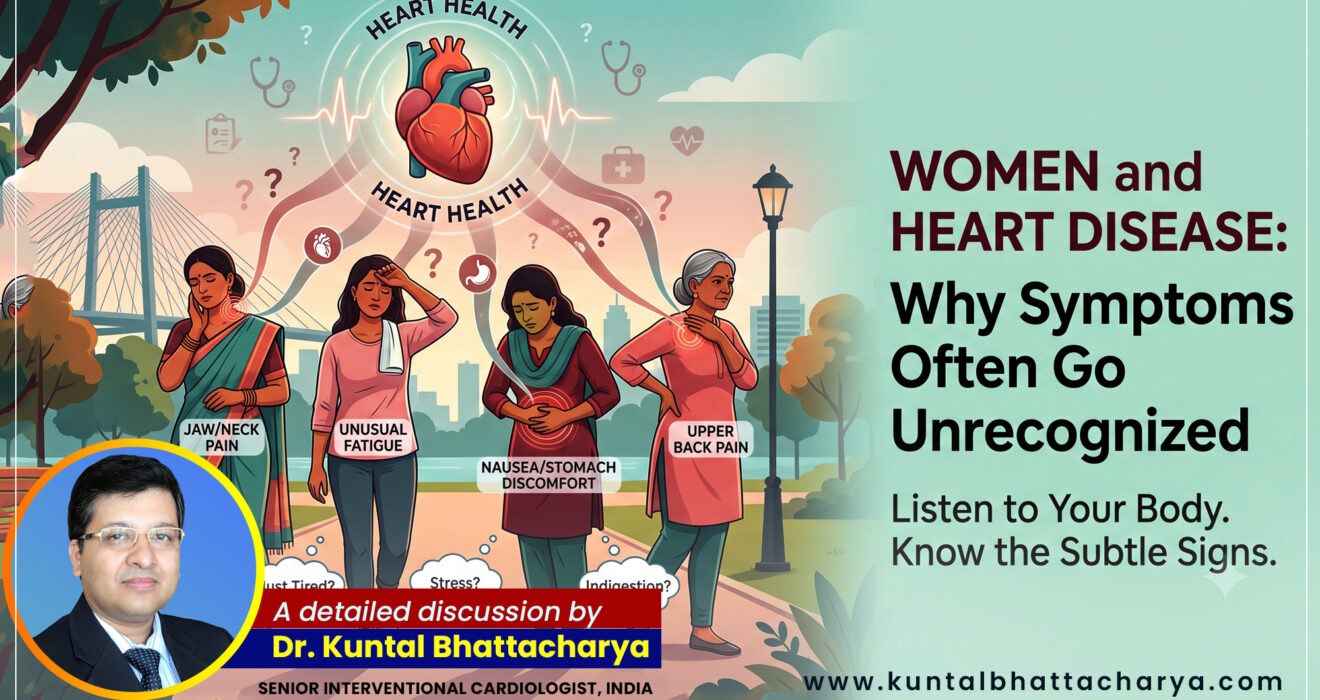
Women often describe their chest discomfort not as a sharp pain, but rather as a feeling of tightness, pressure, or an uncomfortable squeezing. Alarmingly, it is entirely possible for a woman to suffer a severe heart attack without experiencing any chest pain whatsoever. Instead, the warning signs might present as:
- Pain in Upper Body Regions: Unexplained pain radiating to the neck, jaw, throat, upper back (especially between the shoulder blades), or shoulders.
- Profound, Unusual Fatigue: This is one of the most common yet overlooked symptoms. A sudden, overwhelming exhaustion that makes simple tasks feel impossible can be a major red flag.
- Shortness of Breath: Experiencing breathlessness without exertion, or worsening shortness of breath during routine activities.
- Gastrointestinal Distress: Nausea, vomiting, and a burning sensation often dismissed as heartburn or indigestion.
- Dizziness and Cold Sweats: Feeling lightheaded, faint, or suddenly breaking out in a cold, clammy sweat.
Why Are the Symptoms Often Ignored?
These symptoms are frequently vague and mimic common, less life-threatening conditions like the flu, acid reflux, or simple exhaustion from a busy lifestyle. Compared to men, women tend to experience these symptoms more frequently while resting or even during sleep. Furthermore, emotional stress plays a substantial role in triggering these atypical symptoms. Because women are accustomed to juggling multiple responsibilities, they often minimize their discomfort, attributing it to stress, and delay seeking emergency medical help.
Coronary Microvascular Disease: The Invisible Blockage
One of the most critical reasons women’s heart issues go undiagnosed is the specific nature of the blockages they develop. Men typically develop large, distinct, localized plaques in the major coronary arteries.
Women, however, frequently develop heart disease without severe blockages in their main arteries. Instead, plaque can build up evenly as a smooth layer along the artery walls, which may not show up clearly on standard angiograms. Even more commonly, women suffer from blockages and dysfunction in the tiny, microscopic blood vessels that branch off the main arteries and supply blood directly to the heart muscle. This condition is known as Coronary Microvascular Disease or small vessel heart disease.
Because standard diagnostic tools are primarily designed to detect blockages in the large arteries, women presenting with typical heart attack symptoms may be told their main arteries are “clear,” sending them home with a false sense of security while the microvascular disease continues to silently damage their heart.
Unique Risk Factors for Women
While high cholesterol, obesity, and a sedentary lifestyle affect everyone, certain risk factors impact women disproportionately or are entirely unique to them.
Pregnancy-Related Complications
Complications during pregnancy serve as an early stress test for a woman’s cardiovascular system. Conditions like preeclampsia (high blood pressure during pregnancy) and gestational diabetes significantly raise a woman’s lifetime risk of developing chronic hypertension, type 2 diabetes, and cardiovascular disease. Peripartum cardiomyopathy, a rare but serious weakening of the heart muscle associated with pregnancy, can lead to severe heart failure.
Menopause and Autoimmune Conditions
As mentioned, the onset of menopause and the resulting drop in estrogen dramatically escalate heart disease risk, particularly the development of small vessel disease. Additionally, women are far more likely to suffer from autoimmune and inflammatory diseases such as lupus, rheumatoid arthritis, and scleroderma. These conditions create systemic inflammation that accelerates the damage to blood vessels and dramatically raises the risk of heart disease.
Mental Health and Stress
Emotional stress and clinical depression exact a heavier toll on women’s hearts than men’s. Chronic stress can cause arteries to tighten and increases the risk of microvascular disease. Furthermore, depression can hinder a person’s ability to maintain a healthy lifestyle, making it difficult to follow medical advice, exercise, or eat properly, creating a vicious cycle of declining heart health.
Preventive Measures and Coronary Artery Disease treatments in Kolkata
Prevention is undeniably better than cure. Women must take a proactive stance by managing blood pressure, controlling blood sugar, maintaining a healthy weight, quitting smoking, and engaging in regular physical activity. Recognizing the symptoms early and demanding thorough investigations is crucial.
When it comes to advanced care, the landscape of Coronary Artery Disease treatments in Kolkata has evolved remarkably. We now utilize cutting-edge diagnostic modalities like Intravascular Ultrasound (IVUS) and Optical Coherence Tomography (OCT). These tools allow an Interventional Cardiologist in Kolkata to look inside the blood vessels with microscopic precision, identifying smooth plaque and small vessel disease that traditional angiograms might miss.
Treatment modalities range from complex angioplasties using drug-eluting stents and specialized balloons, to advanced structural heart interventions like TAVI (Transcatheter Aortic Valve Implantation). For women suffering from heart failure, devices like pacemakers and Cardiac Resynchronization Therapy (CRT) offer a new lease on life, restoring heart rhythm and function safely and effectively.
What Should You Do When You Need an Interventional Cardiologist in Kolkata?
If you or a loved one are experiencing unusual symptoms, unexplained fatigue, or if you have a strong family history of heart disease, you must not ignore the signs. Here is actionable advice on what to do when seeking a Doctor in Heart Disease in Kolkata:
- Do Not Dismiss Symptoms: If you feel an unexplainable heaviness in your chest, shortness of breath, or jaw pain, seek emergency medical care immediately. Do not attempt to drive yourself to the hospital.
- Seek a Dedicated Cardiac Center: For comprehensive evaluation and treatment, it is vital to visit a tertiary care hospital equipped with 24/7 advanced Cath Labs and critical care units.
- Where to Go: Institutions like Narayana Hospital, RN Tagore Hospital in Mukundapur, Kolkata, stand as premier centers for cardiac excellence in Eastern India. The hospital provides world-class infrastructure tailored for complex diagnostics and interventions.
- Choosing the Right Specialist: Look for an Adult Heart Doctor in Kolkata who possesses a strong academic background and extensive experience in interventional cardiology. A high-volume operator who routinely performs complex procedures and is well-versed in the unique physiological presentations of female heart disease is essential for an accurate diagnosis and optimal outcome. As a senior consultant, I emphasize a patient-centric approach, combining meticulous medical management with state-of-the-art interventional therapies.
FAQ's on Heart Disease Treatment & Doctor in Kolkata
What does Treatment for Heart Disease in Kolkata involve for women?
Treatment is highly individualized. For early-stage disease, it involves aggressive lifestyle modifications, stress management, and medications to control blood pressure and cholesterol. If blockages are present, advanced interventions such as Coronary Angioplasty with stenting, guided by imaging tools like IVUS or OCT, are performed to restore blood flow safely. For structural issues, minimally invasive procedures like TAVI are available.
How do I choose a reliable Doctor in Heart Disease in Kolkata?
Look for a board-certified Senior Interventional Cardiologist attached to a reputable tertiary care hospital. Check their credentials, years of experience, and their proficiency in advanced diagnostics (like coronary imaging) and modern therapeutic procedures. A doctor who listens to your symptoms without dismissing them and offers comprehensive, personalized care is paramount.
Who is the best doctor for Women Heart Disease Treatment in Kolkata?
Finding the "best" doctor involves seeking an expert who understands that women's heart disease often presents atypically. An ideal specialist is an interventional cardiologist with extensive experience in diagnosing microvascular disease, handling complex coronary interventions, and managing pregnancy-induced or menopause-related cardiac complications with a compassionate and thorough approach.
What qualities define the best doctor for Heart Disease Treatment in Kolkata?
The leading experts in the field are characterized by their high procedural success rates, their commitment to using evidence-based medicine, and their access to state-of-the-art hospital infrastructure. They should be proficient in a wide spectrum of treatments, from managing complex angioplasties and structural heart diseases to implanting advanced cardiac devices like pacemakers and CRT-Ds, ensuring holistic care for every patient.
Conclusion
Heart disease in women is a silent crisis that demands a louder conversation. For too long, the subtle, atypical symptoms experienced by women have been overlooked, dismissed as stress, or misdiagnosed as minor ailments. By understanding the unique biological factors, recognizing the nuanced warning signs like unusual fatigue, jaw pain, or nausea, and advocating fiercely for proper diagnostic testing, women can take control of their cardiovascular health.
Do not wait for a classic Hollywood heart attack to seek help. Listen to your body, trust your instincts, and prioritize your well-being. If something feels wrong, demand a comprehensive evaluation from an experienced cardiac specialist who understands the complexities of women’s heart health. Through early detection, lifestyle modifications, and the advanced, precision-guided treatments available today, women can effectively manage heart disease and continue to live vibrant, fulfilling lives. Empower yourself with knowledge, and never hesitate to put your heart first.
It’s from the desk of Dr. Kuntal Bhattacharya (Senior), Best Interventional Cardiologist in Kolkata & Heart Specialist Doctor in Kolkata, associated with Rabindranath Tagore International Institute of Cardiac Sciences, Kolkata.
Disclaimer: The information provided in this blog post is for educational and informational purposes only and is not intended to be a substitute for professional medical advice, diagnosis, or treatment. Always seek the advice of your physician or other qualified health provider with any questions you may have regarding a medical condition or dietary changes. Never disregard professional medical advice or delay in seeking it because of something you have read on this website.
Follow Dr. Kuntal Bhattacharya on Facebook & Youtube for regular updates.
Read Also:
- How CRT-D Improves Quality of Life for Heart Failure Patients in Kolkata
- Comparing TAVI and SAVR: Which Heart Valve Treatment is Right for You?
- Remote Monitoring for Cardiac Devices: Peace of Mind for Heart Patients
- ECG vs. Echocardiogram: Which Heart Test Do You Actually Need?
- Life with an AICD: Managing Sudden Cardiac Death Risk Effectively
- What is a Calcified Lesion? Advanced Solutions for Hardened Arteries
- Heart-Healthy Diet: Incorporating Bengali Flavors Without the Oil
- Understanding Your Echocardiogram Results: A Simple Guide for Patients
- How 3D Imaging Enhances Precision in TAVI Procedures in Kolkata
- Identifying Asymptomatic Heart Disease in Young Adults in 2026: The Silent Killer
- The Role of FFR in Deciding the Right Treatment for Heart Blockages
- Leadless Pacemakers vs. Traditional Pacemakers: Pros and Cons for 2026
- Managing Complex Coronary Artery Disease in 2026: A Cardiologist’s Guide
- How IVUS and OCT Technology Revolutionized Angioplasty Success in Kolkata
- Choosing the Right Coronary Angioplasty Doctor in Kolkata 2026: A Patient’s Guide
- Life After TAVI/TAVR Treatment: Patient Advice from a Cardiologist in Kolkata
- Why Choose TAVI/TAVR Over Open Heart Surgery in 2025?