
How an Interventional Cardiologist Treats Blocked Arteries in 2025?
Introduction
Blocked arteries can be a silent threat to your heart—and your life. These blockages, often caused by the buildup of fat and cholesterol, reduce blood flow to the heart and can lead to serious conditions like chest pain, heart attacks, or even strokes. But modern heart care offers advanced and less invasive solutions. That’s where an Interventional Cardiologist comes in.
Unlike General Cardiologists who focus on diagnosis and medication, Interventional Cardiologists are specialists trained to perform life-saving procedures that open up clogged arteries without major surgery. In a city like Kolkata, where heart-related issues are on the rise due to busy lifestyles and stress, the role of an Interventional Cardiologist in Kolkata has become more important than ever.
In this blog, we’ll discuss how these heart experts diagnose and treat blocked arteries, what procedures they use, and why Intervention Cardiology in Kolkata is gaining global attention for its modern techniques and successful outcomes. Whether you’re seeking help or simply want to understand your heart better, this guide is for you.
Understanding Artery Blockages
Causes of Artery Blockage
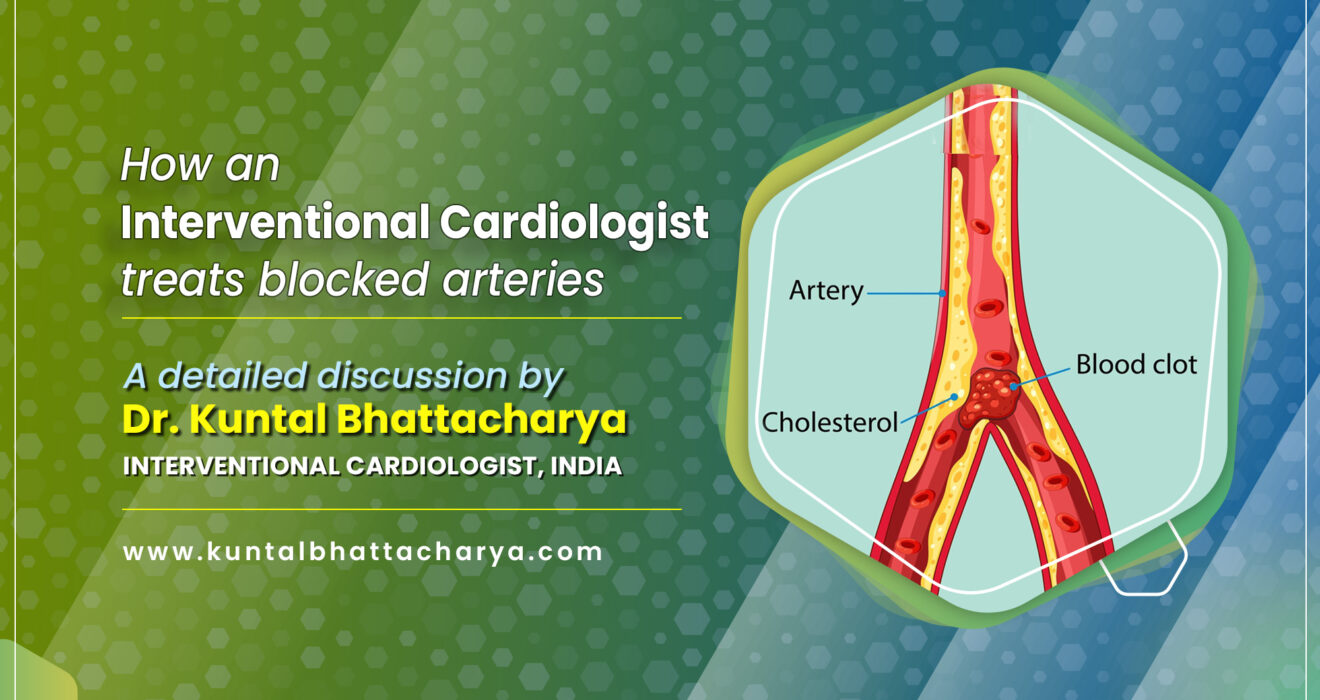
Blocked arteries usually occur due to plaque buildup—made of cholesterol, fats, and other substances. Smoking, unhealthy diet, lack of exercise, and genetics can all contribute.
Symptoms of Artery Blockage
- Chest pain or tightness (angina)
- Shortness of breath
- Fatigue
- Pain in arms, neck, jaw, or back
These are warning signs that your heart isn’t getting enough blood.
How Blocked Arteries Affect the Heart
When arteries narrow, your heart doesn’t get enough oxygen-rich blood. This can lead to a heart attack, stroke, or heart failure if not treated quickly by a Heart Specialist Doctor in Kolkata.
Understanding Interventional Cardiology
Interventional cardiology is a special area of heart care that focuses on treating blocked or narrow arteries without open-heart surgery. The specialist doctors called interventional cardiologists use thin, flexible tubes (called catheters) to reach the heart through blood vessels.
The most common treatment is angioplasty, where a small balloon is used to open up the blocked artery. In many cases, a stent (a tiny metal tube) is placed to keep the artery open and improve blood flow. This method is quick, less painful, and helps people recover faster compared to surgery. It also reduces chest pain, improves breathing, and lowers the risk of heart attacks.
In cities like Kolkata, interventional cardiology has become a trusted way to save lives and help people return to normal life after heart problems.
Difference between Cardiologist and Interventional Cardiologist
A Cardiologist in Kolkata diagnoses and treats heart diseases with medications and advice. But an Interventional Cardiologist goes a step further—they perform nonsurgical procedures to clear blockages using catheters.
Why You Need an Interventional Cardiologist in Kolkata
As heart disease cases continue to rise in urban areas, the demand for skilled Interventional Cardiologists in Kolkata is growing, with many patients seeking advanced treatments like angioplasty and stent placement.
Sinceheart disease cases continue to rise in city areas, more people in Kolkata are now seeking skilled Interventional Cardiologists for advanced treatments such as angioplasty and stent placement.
Also, Kolkata is a major city with many advanced hospitals. People from nearby towns and villages come here for better treatment. As more patients need fast and less painful procedures like angioplasty and stenting, the need for skilled interventional cardiologists in Kolkata continues to rise.In short, rising heart diseases and better healthcare facilities make Kolkata a hub for intervention cardiology.
Diagnosis of Blocked Arteries
Physical Examination
A physical examination is the first step a doctor takes to check if you might have blocked arteries. It all starts with listening to your symptoms and checking vital signs—like blood pressure and pulse rate.
Diagnostic Tests
Common tests include:
- ECG (Electrocardiogram)
- Stress Test
- Echocardiogram
- CT Coronary Angiogram
Advanced Imaging in Intervention Cardiology in Kolkata
Modern hospitals in Kolkata use high-resolution imaging systems like Intravascular Ultrasound (IVUS), Fractional Flow Reserve (FFR) assessment, Resting Full-Cycle Ratio (RFR) and Optical Coherence Tomography (OCT) to look inside your arteries for precise diagnosis. These state-of-the-art techniques provide in-depth and accurate reports on coronary artery conditions that help to diagnose blockages and guide precise treatments like stent placement or angioplasty.
Common Treatment Procedures Used by Interventional Cardiologists
Angioplasty
A balloon is inserted into the blocked artery and inflated to widen it. It’s quick and highly effective.
Stent Placement
A small wire mesh tube, called a stent, is placed in the artery during angioplasty to keep it open permanently.
Atherectomy
In severe cases, the doctor may use a special tool to remove the plaque from artery walls.
Thrombectomy
If there’s a blood clot, a thrombectomy device may be used to suction or pull it out—especially during emergencies like a heart attack.
Intervention Cardiology for TAVI/TAVR Procedure
TAVI (Transcatheter Aortic Valve Implantation) or TAVR (Transcatheter Aortic Valve Replacement) is a modern heart procedure done by interventional cardiologists. It is used to treat patients with severe aortic valve narrowing (aortic stenosis) who are too weak for open-heart surgery.
Instead of making a big cut in the chest, the doctor inserts a thin tube (catheter) through a small cut in the leg or chest and guides it to the heart. A new valve is placed inside the old, damaged one – all without removing the old valve. Intervention cardiology has made TAVI/TAVR procedure which is safer, quicker, and with faster recovery. It is especially for elderly or high-risk patients.
Minimally Invasive Techniques
Advantages Over Open-Heart Surgery
- Less pain
- Shorter hospital stay
- Faster recovery
- Lower risk of infection
Life After Intervention Cardiology for Blocked Arteries
After undergoing an interventional cardiology procedure like angioplasty or stenting, most people can return to normal life quickly.
Recovery Time
- Most patients stay in the hospital for 1–2 days
- You may feel better almost immediately, with less chest pain or breathlessness.Regular check-ups with your heart doctor are important.
- Can return to light work or daily tasks in about a week
- Full recovery usually takes 1–2 weeks, depending on overall health
With proper care and guidance from your interventional cardiologist, recovery is smooth and long-term heart health is possible.
Risks Involved
Though generally safe, some risks include:
- Bleeding at the catheter site
- Allergic reaction to dye used
- Rarely, heart attack or stroke during the procedure
Lifestyle Changes to Maintain Heart Health
- Quit smoking
- Eat more fruits, veggies, and whole grains
- Walk or exercise daily
- Sleep well and manage stress
Follow-Up with a Heart Specialist Doctor in Kolkata
Regular visits help monitor your heart health and adjust treatment as needed.
How to Choose the Right Interventional Cardiologist in Kolkata
Choosing the right Interventional Cardiologist in Kolkata is important for your heart health. Here are some simple tips to help you:
- Check Qualifications and Experience
Make sure the doctor is well-qualified and has experience in procedures like angioplasty, stenting, or pacemaker insertion. - Look for Hospital Affiliation
Choose a doctor who is attached to a reputed hospital with modern facilities and emergency care support. - Read Patient Reviews
Go through online reviews or ask past patients about their experience. Positive feedback is a good sign. - Ask About Success Rates
A good interventional cardiologist should have high success rates in heart procedures. - Patient-centric Approach
You should give priority to cardiologists who go above and beyond with medical interventions to measure success and prioritize patient-centered outcomes. A good doctor will listen patiently and explain things clearly to the patients and their families. - Location and Availability
Choose a doctor who is easily accessible and available in emergencies.
By choosing the right heart specialist doctor in Kolkata, you can ensure the best care for your heart and a smoother recovery.
Recommended Hospitals and Clinics in Kolkata for Interventional Cardiology Treatments
If you are looking for trusted places to treat heart blockages in Kolkata, here are some of the top hospitals and clinics known for interventional cardiology. These centers have experienced doctors, modern equipment, and good success rates.
There are many hospitals in
- Rabindranath Tagore International Institute of Cardiac Sciences (RTIICS), Mukundapur
- Fortis Hospital, Anandapur
- Apollo Gleneagles
- ManipalHospitals
- BM Birla Heart Research Centre
- RxVital Healthcare
These hospitals have some of the best interventional cardiologists in Kolkata and are equipped to handle all types of heart-related emergencies and procedures.
Success Rates and Patient Stories of Interventional Cardiology in Kolkata Hospitals
Kolkata’s top heart hospitals have earned a strong reputation for their high success rates in interventional cardiology procedures like angioplasty, stenting, and pacemaker implantation.
The top hospitals in Kolkata for interventional cardiology, like R.N. Tagore Hospital, Apollo Gleneagles, Fortis, Manipal Hospitals, and BM Birla Heart Research Centre, have excellent success rates for treating blocked arteries. On average, the success rate of angioplasty and stent procedures is above 95%. These hospitals use advanced equipment, follow strict safety protocols, and have highly experienced doctors. Many patients recover quickly and return to normal life within a few days to weeks. Many patients who got treated at top heart hospitals in Kolkata have shared positive stories about their experience.
How to Prevent Artery Blockages
Diet and Exercise Tips
- Avoid fried foods and trans fats
- Include omega-3-rich foods like fish
- Aim for 30 minutes of exercise daily
Regular Heart Check-Ups
Visit a Cardiologist in Kolkata every 6–12 months if you have high risk.
Managing Stress and Hypertension
Yoga, deep breathing, and proper sleep can significantly reduce stress and blood pressure—key contributors to blocked arteries.
How an Interventional Cardiologist Treats Blocked Arteries?
Blocked arteries are dangerous. They reduce blood flow to your heart, which can lead to chest pain, heart attacks, or even death. But interventional cardiologists are trained to treat this problem without open-heart surgery.
An interventional cardiologistuses special tools and methods to treat heart problems—especially blocked arteries.They don’t cut open your chest. Instead, they use thin tubes called cathetersand enter your body through small holes (usually in the wrist or groin).
Steps to Treat Blocked Arteries using intervention cardiology
- Diagnosis
First, the doctor checks your symptoms like chest pain, shortness of breath, or tiredness. Then they suggest some tests like:
- ECG (Electrocardiogram)
- Echocardiography (Ultrasound of the heart)
- Angiography (X-ray of heart blood vessels using a dye)
Angiography shows exactly where the blockage is and how much it is.
- Angioplasty
This is the most common treatment. Here’s how it works:
- A balloon-tipped tube (catheter) is inserted into the blocked artery.
- The balloon is gently inflated to push the blockage to the sides.
- This opens the artery and allows better blood flow.
- Stent Placement
After angioplasty, a stent (a small metal mesh tube) is placed in the artery. It keeps the artery open for a long time and helps avoid future blockages.
- Other Methods
If needed, the doctor may also:
- Remove plaque using a special tool (Atherectomy)
- Remove blood clots (Thrombectomy)
These procedures are performed without cutting open the chest.
Conclusion
Blocked arteries may sound scary, but they can be treated effectively. An interventional cardiologist uses advanced, non-surgical techniques like angioplasty and stenting to open the arteries and restore healthy blood flow to your heart. These treatments are quick and safe and help you recover faster without major surgery.
If you live in or around Kolkata, you’re lucky to have access to many skilled Interventional Cardiologists in Kolkata. With modern hospitals and expert doctors, intervention cardiology in Kolkata has become highly advanced.
Don’t ignore early symptoms like chest pain or shortness of breath. Visit a heart specialist doctor in Kolkata as soon as possible. And after treatment, make sure to follow a heart-healthy lifestyle—eat well, exercise, and take your medicines regularly. The key is early detection, the right doctor, and a commitment to heart-healthy living.
Read more: How Advanced Imaging Improves Angioplasty Outcomes in 2025